From Fukuoka to the Future of Guiding
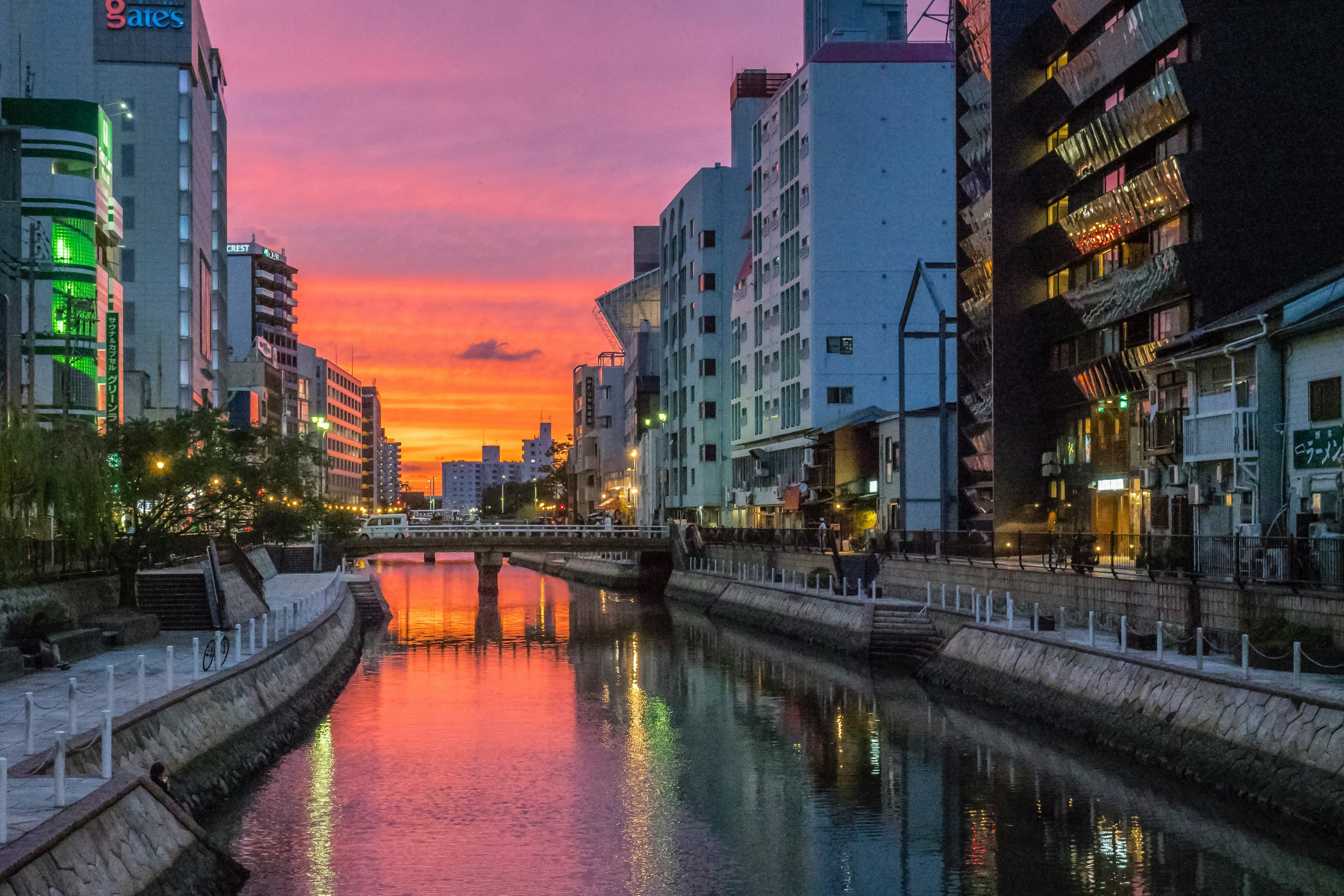
When hundreds of certified guides gather in one place, something shifts.
At this year’s conference hosted by the World Federation of Tourist Guide Associations in Fukuoka, more than 600 professional tourist guides from over 50 nations came together for what was described as a groundbreaking sustainability summit.
The scale alone says something.
This is not a niche profession.
It is a global one.
We did not travel to Japan to promote a platform.
We came to listen.
And what we heard matters.
TL;DR
600 certified guides from 50 nations gathered in Fukuoka
Sustainability — professional and environmental — was a central theme
We hosted a workshop with association leaders and guides from multiple continents
Discussions centered on regulations, certification, and how associations can better support their members
Nick delivered the closing keynote of the conference
We left with stronger relationships and deeper understanding of the global guiding profession
The Conversations Between Sessions
The most important moments did not happen on stage.
They happened in coffee breaks.
In conversations that continued long after workshops ended.
Over a beer at the pub.
During lunch discussions where association leaders compared notes across borders.
We met leaders responsible for protecting professional standards in their countries.
We spoke with guides who had heard about us and wanted to understand what we are building.
We answered detailed questions about structure, verification, bookings, autonomy, and long-term sustainability.
Many conversations began in the same way:
“We’ve heard about you. Tell us how this would work here.”
Not curiosity about technology for its own sake.
Curiosity about structure.
About ownership.
About how to strengthen certified guides without undermining national systems.
Those conversations stayed with us.
A Global Conversation About Sustainability and Standards
This year’s conference was centered around sustainability — not only environmental sustainability, but professional sustainability.
How can guiding remain viable in a rapidly changing travel industry?
How can certified guides maintain standards while adapting to new technology and shifting traveler expectations?
With representatives from more than 50 countries present, the diversity of realities became clear.
In some countries, regulations are strict and highly structured.
In others, guides operate with fewer formal protections.
Commission pressures vary.
Certification processes differ.
Associations play different roles depending on national context.
And yet, certain themes were universal:
The desire for professional recognition
The need for better booking structure
Concern about maintaining certification standards
A wish to focus more on guiding and less on administration
It became evident that there is no single model that fits every country.
Any infrastructure meant to support professional guides must respect local frameworks while enabling cross-border visibility.
That balance matters.
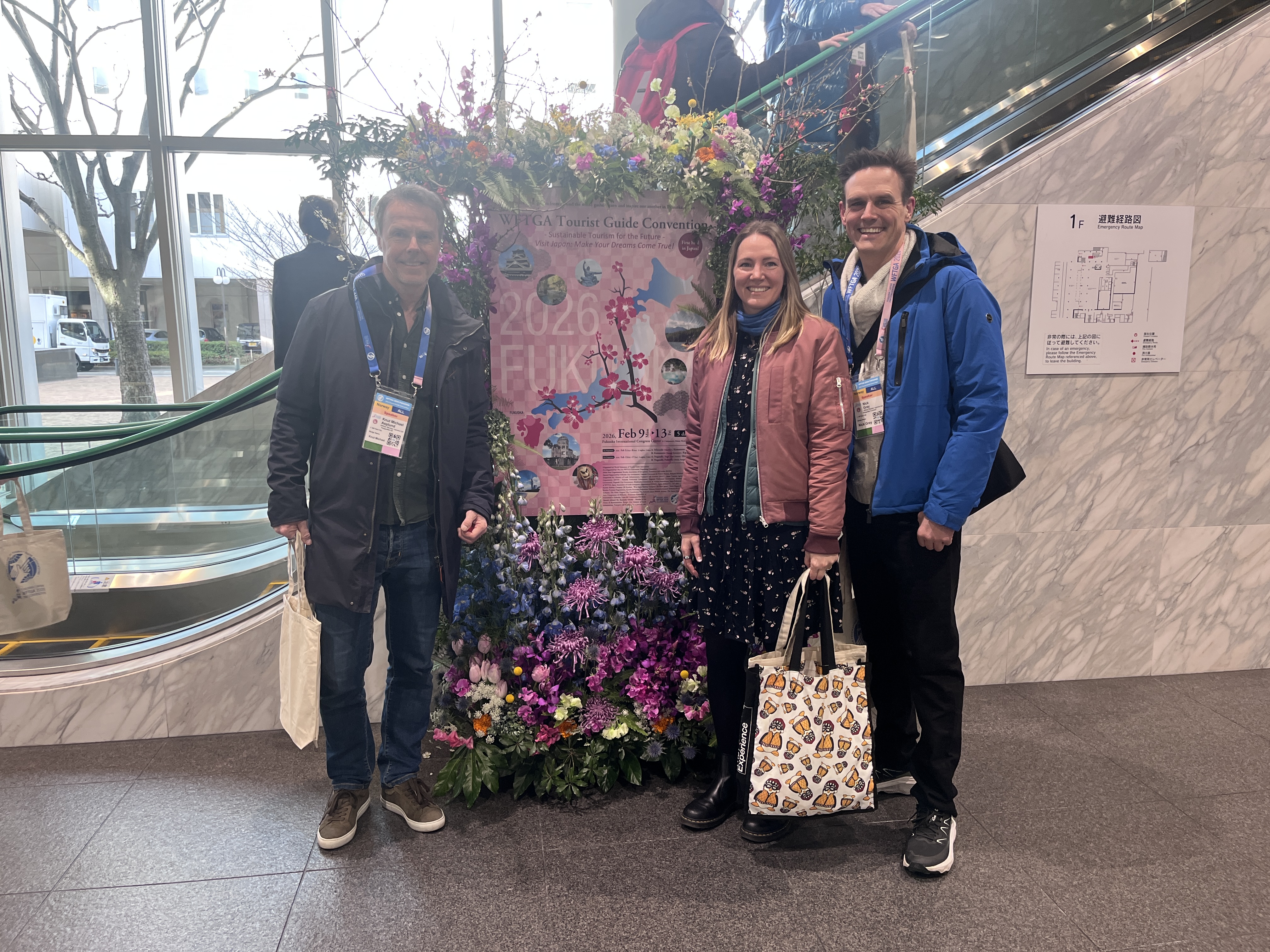
The Workshop: Practical Questions from Around the World
Our workshop quickly moved beyond theory, the people attending were full of questions and engagement.
Association leaders asked about real regulatory challenges in their countries.
In places where regulations are complex or restrictive, how can a platform support certified guides without conflicting with national systems?
Is there a way to adapt to different legal frameworks across countries?
How can associations maintain control over certification and verification?
We were asked very directly:
How will this benefit our members?
Will it reduce administrative burden?
Will it protect certification standards?
Will it strengthen the association’s role rather than replace it?
Certification itself was a recurring theme.
How verification should work.
How certified guides can be clearly distinguished in a crowded marketplace.
How associations can ensure their members are represented accurately and fairly.
There were also suggestions.
Features not yet built.
Use cases shaped by specific regional challenges.
Ideas influenced by very different tourism ecosystems.
The feedback came from across continents — from New York to the Philippines — each country bringing its own perspective.
What stood out was not uniformity.
It was diversity, combined with shared professionalism.
Professional guides want structure that respects their craft.
Seeing the Craft Up Close
Conferences are one thing.
Guiding in practice is another.
During our time in Japan, we joined a guided tour in Kyoto. It was precise, thoughtful, and deeply engaging. Years of knowledge were woven into each explanation. The guide carried history, context, and lived experience with quiet confidence.
It was a reminder of something we believe strongly:
Guiding is not a side product of tourism.
It is a profession built on craft.
Infrastructure should never replace that craft.
It should support it — quietly, in the background — so guides can focus on what they do best.
The guide is always the center. The platform should never be.
The Closing Keynote
Nick had the honor of delivering the closing keynote of the conference.
The message was not about disruption.
It was about support.
About building tools that strengthen certified guides.
About collaboration with associations rather than bypassing them. It was about building a network or certified guides, where we are stronger together.
About long-term infrastructure instead of short-term solutions.
We are especially grateful to Sebastian for the invitation, for his encouragement, and for the trust placed in us during the conference.
Being invited to contribute to this global conversation is something we do not take lightly.
What We Took Home
We left Fukuoka with new relationships.
With follow-up conversations already underway.
With invitations to continue discussions in multiple countries.
But more importantly, we left with clarity.
The guiding profession is diverse, proud, and evolving.
There is momentum.
There is thoughtful curiosity.
There is readiness for stronger professional infrastructure — if it is built with care.
This was not a launch moment.
It was a listening moment.
And listening — especially at a global level — is where responsible building begins.