The Power of Networks: Why Certified Guides Are Stronger Together
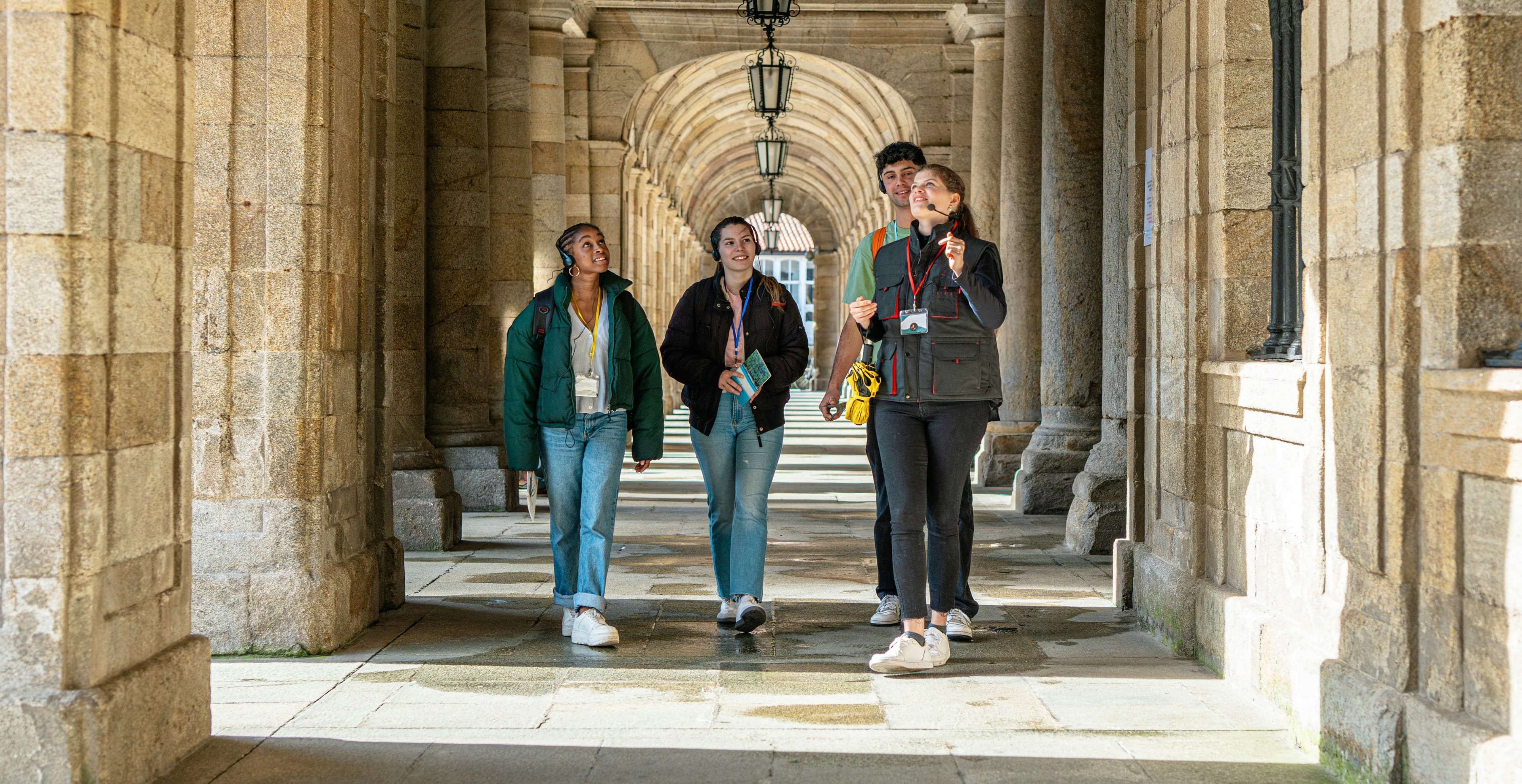
To become a certified guide is not accidental.
It takes study. Exams. Local history. Ethics. Language skills. Professional standards.
It takes pride.
Across Europe and beyond, certified guides represent something important: a commitment to quality, accuracy, and responsibility in tourism.
Associations have spent decades building and protecting these standards. They have safeguarded education, professional ethics, and the identity of guiding as a serious profession.
But there is also a quiet truth many guides feel.
Being certified does not automatically mean being visible. Being professional does not automatically mean being discoverable. And being independent can sometimes feel like standing alone.
This is where networks matter.
TL;DR
Certified guides represent professionalism and trust
Associations protect standards and education
Many guides still work in fragmented systems with little shared visibility
OTAs have built powerful networks, but they are not built around certification
Strong digital infrastructure can strengthen associations instead of replacing them
Independent does not have to mean alone
Why Independent Guides Often Feel Alone
A certified guide may belong to an association. They may carry a badge. They may have invested years into their craft.
And yet, the daily reality of the job often looks fragmented.
Email threads. WhatsApp messages. Manual invoices. Uncertain seasonal demand. Dependence on intermediaries who take large commissions.
Meanwhile, large Online Travel Agencies like Viator and GetYourGuide have built powerful global digital networks. They centralize visibility, search, payment systems, and distribution.
They have infrastructure.
Individual guides rarely do.
This creates a structural imbalance. Not a talent imbalance. Not a quality imbalance. A structural one.
Professional pride deserves professional infrastructure.
What Associations Already Do Well
Guide associations are not outdated. In many ways, they are the backbone of the profession.
They safeguard education and certification. They maintain ethical standards. They create community among members. They represent guides toward authorities and tourism stakeholders.
Most importantly, they protect something that cannot easily be replaced: professional trust.
When a guide is certified through an association, it signals training, accountability, and commitment to quality.
But while associations have built strong professional communities, the digital tools supporting the industry have mostly been built elsewhere.
That gap is not a failure. It is simply the result of how quickly the travel tech landscape has evolved.
What’s Missing: Infrastructure That Belongs to the Profession
For years, the strongest digital networks in tourism have belonged to marketplaces.
Marketplaces built systems that centralize supply, control visibility, own the customer relationship, and take commission as the cost of distribution.
Guides joined these systems individually.
But imagine something different.
Imagine a digital ecosystem where certified guides remain connected through their associations, where professional credentials are visible, and where partners can easily discover qualified local experts.
Not to replace associations. Not to compete with them. But to strengthen them.
Digital infrastructure can support what associations already do so well: highlight professionalism, showcase certified members, and make their collective expertise visible to the wider travel industry.
Technology should not dilute certification. It should amplify it.
What Changes When Guides Connect as a Network
When guides operate as isolated individuals, they compete for visibility.
When guides operate as a verified network connected through associations, something shifts.
Visibility becomes shared. Instead of every guide marketing alone, associations can act as trusted hubs for certified professionals.
Trust becomes clearer. Certification is not hidden in small profile details but visible and understandable for guests and industry partners.
Partners gain simplicity. Hotels, cruise lines, and travel planners can access qualified guides without uncertainty about training or credentials.
Education gains value. When certification becomes visible and structured online, the effort guides put into training becomes economically meaningful.
And the profession gains structure. Guiding stops appearing informal and instead reflects the professionalism that associations have spent years building.
In a time when travelers increasingly search for authentic human expertise rather than generic experiences, certified local guides become even more valuable.
The future of guiding is not faceless.
It is qualified. It is local. It is human.
And it works best when connected.
This Is Not About Replacing Associations
It is important to say this clearly.
Digital tools should never replace associations. Associations are the guardians of standards in the guiding profession.
Technology should support that structure, not override it.
Associations protect the profession. Technology can help strengthen the visibility and organization of that profession.
When these two forces work together, the result is stability and long-term credibility for guides.
The Future Is Network-Driven
Marketplaces have already shown how powerful networks can be.
But those networks were built to distribute experiences, not necessarily to protect professional standards.
Guiding is more than a product.
It is education. It is cultural interpretation. It is responsibility.
When certified guides stand together digitally through their associations, the balance shifts.
Independent does not mean isolated.
Professional pride does not have to remain invisible.
Certification should mean something clear, visible, and respected.
A Quiet Shift in the Industry
Across Europe and beyond, many associations are beginning to explore how digital collaboration can support their members.
Not to chase trends. Not to compete with global platforms.
But to ensure that certified guides remain visible, bookable, and valued in a rapidly evolving travel industry.
This is not about disruption. It is about reinforcement.
When associations and certified guides move together, the profession becomes stronger.
It becomes more visible. More structured. More future-ready.
Networks have already transformed the travel industry.
The question is no longer whether networks matter.
The real question is who they are built for.
Certified guides have built professional standards over decades. Associations have protected those standards with care and dedication.
Now the opportunity is to ensure that digital infrastructure reflects that same professionalism.
Because independent does not have to mean alone.
And certification deserves to be visible.